
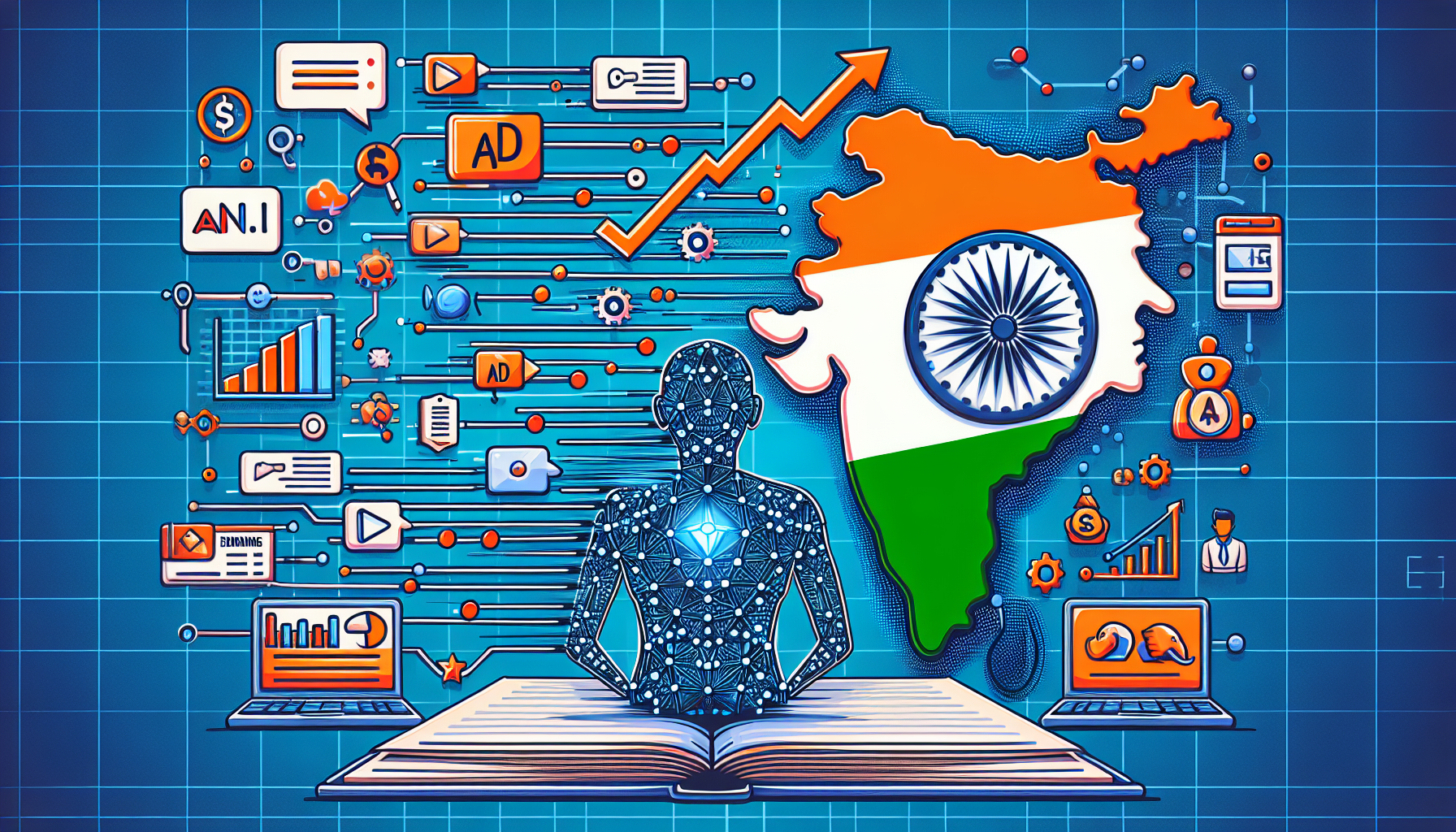
The Creator Economy's Ad Revenue Problem and India's AI Ambitions
The convergence of technology and creative expression has given rise to the creator economy, a burgeoning industry where individuals monetize content through digital platforms. However, this promising sector faces significant challenges, particularly in terms of ad revenue. Simultaneously, India is making ambitious strides in the field of artificial intelligence (AI), aiming to position itself as a global leader. This article explores these two critical facets of the modern digital landscape, delving into the creator economy's revenue challenges and India's AI aspirations.
The Creator Economy: An Overview
The creator economy encompasses a diverse range of individuals and small businesses that create and distribute content across digital platforms like YouTube, Instagram, and TikTok. With the advent of technology, creators have transformed from hobbyists to full-fledged entrepreneurs, generating an estimated $104 billion in 2021 (Source: Influencer Marketing Hub, 2021).
However, while the creator economy is flourishing in terms of growth and creativity, it faces a significant hurdle: ad revenue. A considerable portion of creators' income comes from advertising, yet the dynamics of ad revenue have become increasingly complex and challenging.
The Ad Revenue Problem
Advertising remains a primary monetization strategy for many creators, but several factors contribute to the instability and unpredictability of ad revenue:
- Platform Dependency: Creators rely heavily on platforms like YouTube and Instagram for ad revenue. However, these platforms frequently change their algorithms and policies, affecting visibility and revenue potential. For instance, YouTube's algorithm updates can drastically influence a video's reach, impacting ad income.
- Revenue Share Models: Platforms typically take a substantial cut of ad revenue. YouTube, for example, shares only around 55% of ad revenue with creators (Source: YouTube Partner Program). This model limits the financial gains for creators, especially smaller ones.
- Ad Blockers: The prevalence of ad-blocking software has significantly reduced the effectiveness of online advertising. According to a report by Statista, 26% of internet users worldwide used ad blockers in 2021, diminishing potential revenue for creators.
- Fluctuating Ad Rates: Ad rates can vary widely based on factors such as seasonality, economic conditions, and advertiser demand. This volatility can lead to unpredictable income streams for creators.
Impact on Creators
The challenges surrounding ad revenue have profound implications for creators, particularly those who rely on it as a primary income source. Many creators are forced to diversify their revenue streams, turning to sponsorships, merchandise sales, and crowdfunding. However, these alternatives often require additional effort and resources, stretching the capabilities of creators already managing content production and audience engagement.
Furthermore, the unpredictability of ad revenue can lead to financial instability, making it difficult for creators to plan for the future or invest in their content. As a result, creators face a constant balancing act between maintaining creative integrity and pursuing financial sustainability. This challenge is particularly relevant in the context of new technology trends, such as the rise of AI-driven platforms like India's Sarvam's Indus AI chat app.
India's AI Ambitions
As the creator economy grapples with revenue challenges, India is aggressively pursuing advancements in artificial intelligence. Recognizing the transformative potential of AI, the Indian government and private sector are investing heavily in the technology, aiming to establish the country as a global AI powerhouse.
Government Initiatives
The Indian government has launched several initiatives to bolster AI development and adoption:
- National AI Strategy: In 2018, India released its National AI Strategy, outlining a vision to leverage AI for economic growth and social progress. The strategy emphasizes the development of AI capabilities in key sectors such as healthcare, agriculture, and education.
- Digital India Initiative: Under the broader Digital India initiative, the government is fostering digital infrastructure and innovation. The initiative aims to create a digitally empowered society and knowledge economy, with AI playing a central role.
- AI Research and Development: The establishment of the National Artificial Intelligence Research and Development Program is a testament to India's commitment to AI. The program focuses on nurturing AI research, development, and deployment across industries.
Private Sector Involvement
In addition to government efforts, the private sector is playing a crucial role in advancing AI in India. Technology companies, startups, and academic institutions are actively contributing to AI research and development. Notable examples include:
- Infosys: The IT giant has invested significantly in AI capabilities, developing solutions for industries such as finance, healthcare, and retail.
- Tata Consultancy Services (TCS): TCS is leveraging AI to enhance customer experiences and optimize business processes. The company is also collaborating with global partners to drive AI innovation.
- AI Startups: India's startup ecosystem is vibrant, with numerous AI-focused startups emerging. Companies like Haptik, Niki.ai, and SigTuple are making strides in areas such as conversational AI, AI-powered automation, and healthcare diagnostics.
Challenges and Opportunities
While India's AI ambitions are laudable, the journey is not without challenges. Key obstacles include:
- Data Privacy and Security: The collection and use of data for AI applications raise concerns about privacy and security. Striking a balance between innovation and protecting user data is crucial.
- Skilled Workforce: Developing a skilled workforce is essential for AI advancement. India must invest in education and training to equip individuals with the necessary skills for AI-related roles.
- Infrastructure: Robust digital infrastructure is vital for AI deployment. Ensuring widespread internet connectivity and access to computing resources is imperative for progress.
Despite these challenges, India's AI ambitions present numerous opportunities. AI has the potential to drive economic growth, improve efficiency across sectors, and enhance the quality of life for millions of Indians. By harnessing AI's capabilities, India can position itself as a leader in the global AI landscape. Investment in education and infrastructure will be supported by initiatives like General Catalyst's $5B investment in India over the next five years.
Conclusion
The creator economy and India's AI ambitions represent two critical facets of the digital age, each with its unique challenges and opportunities. As creators navigate the complexities of ad revenue, India's AI journey embodies the nation's determination to harness technology for transformative impact. Both sectors highlight the evolving nature of technology and its profound influence on societies worldwide.
For the creator economy, finding sustainable monetization strategies will be crucial to ensuring the longevity and success of creators. Meanwhile, India's commitment to AI underscores its aspirations to be at the forefront of technological innovation. As these narratives unfold, they offer insights into the dynamic interplay between creativity, technology, and economic progress in the 21st century. As technological advancements continue to shape the creator economy, the recent expansion of OpenAI in India illustrates the country's growing role in this landscape.