
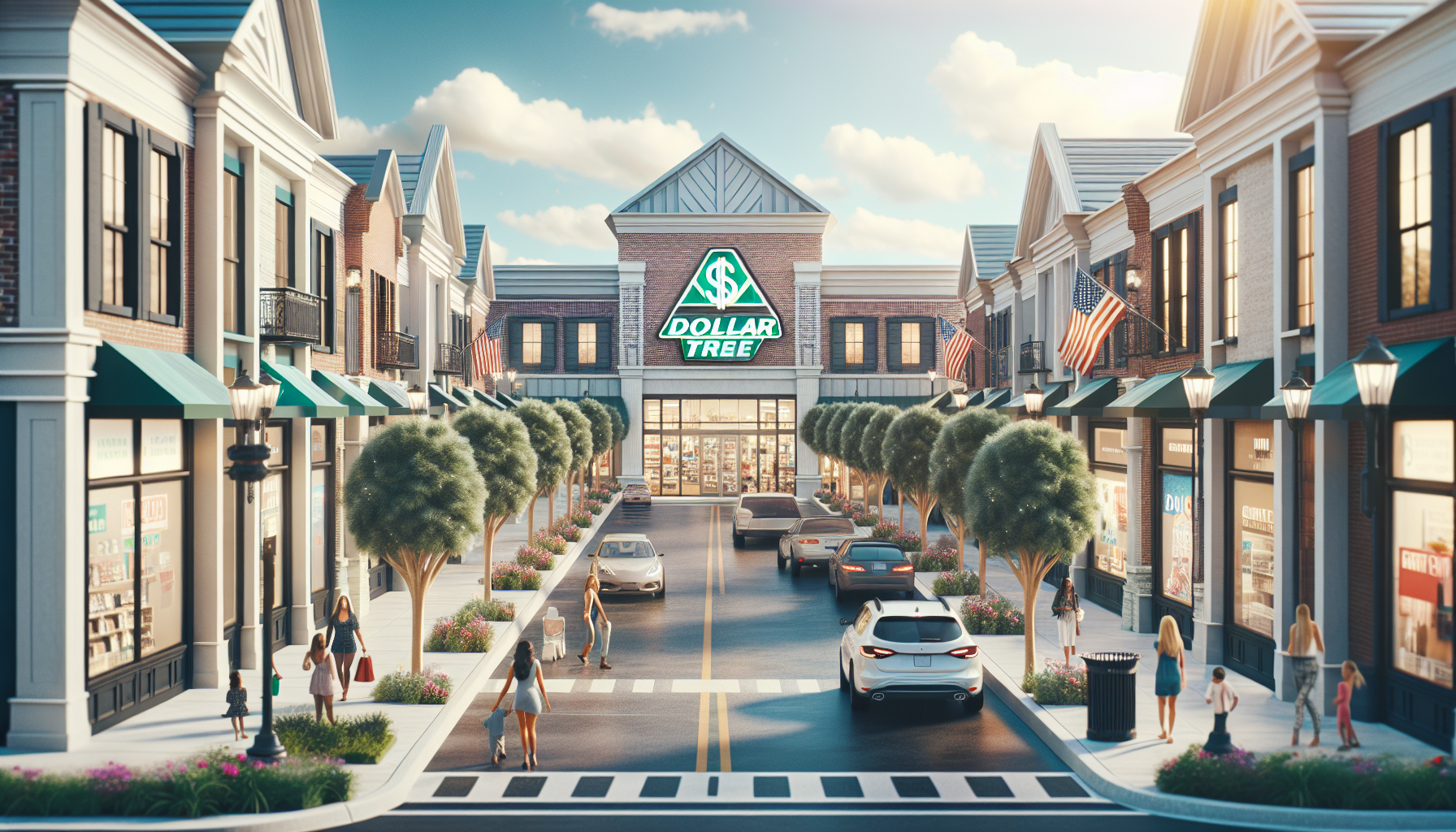
How Dollar Tree Is Catering to the Upper Crust with Stores in Affluent Neighborhoods
In recent years, Dollar Tree has been making strategic moves that seem to defy conventional retail wisdom. Traditionally known for their presence in lower-income areas, dollar stores are now increasingly appearing in affluent neighborhoods. This shift in strategy by Dollar Tree, a leader in the discount retail space, raises questions about how this change could affect the real estate landscape and the broader retail market.
Understanding Dollar Tree's Strategic Shift
The brand's move into wealthier neighborhoods is not as paradoxical as it might seem at first glance. In fact, it is a calculated effort to tap into a broader customer base and capitalize on changing consumer behavior. With over 15,000 stores across the United States and Canada, Dollar Tree has positioned itself as a major player in discount retail. The company’s strategy to expand into affluent areas is a response to several key factors influencing retail and consumer markets today.
- Economic Shifts: Economic uncertainty and inflation have led even wealthier consumers to seek value deals, making dollar stores an attractive shopping option.
- Changing Consumer Behavior: The rise of the "value-conscious" consumer is not limited to income brackets. Many individuals, regardless of wealth, are looking to stretch their dollars further.
- Expansion Opportunities: With some areas reaching saturation with traditional retail options, affluent neighborhoods present untapped markets for growth.
Adapting to Market Dynamics
According to a Realtor.com study, nearly 20% of new Dollar Tree locations opened in the past year were in ZIP codes where the median household income exceeds $100,000. This is a significant shift from the company’s historical focus. Dollar Tree’s approach includes not just opening stores but also tailoring their offerings to suit local tastes and preferences.
For instance, in these affluent areas, Dollar Tree has been observed to stock more organic and brand-name products that are in demand by higher-income shoppers. The company’s ability to adapt its product range to local market demands is one of its strengths, according to retail analyst, Jane Smith from the Retail Analyst Group. "Dollar Tree's strategic move into affluent neighborhoods is a testament to its flexibility and understanding of evolving consumer needs," Smith notes.
Impact on Real Estate
The arrival of a Dollar Tree in affluent neighborhoods can have several implications for local real estate markets. Traditionally, the presence of a dollar store has been associated with lower property values. However, this perception is changing as Dollar Tree and its peers revamp their images.
- Retail Real Estate: The entry of Dollar Tree into high-income areas is revitalizing strip malls and shopping centers. These stores often anchor smaller retail developments, attracting foot traffic and supporting surrounding businesses.
- Residential Real Estate: While some residents may initially resist the presence of a discount store, the increased convenience and value can eventually lead to higher demand for nearby properties.
A study conducted by the National Association of Realtors (NAR) found that property values in neighborhoods with a mix of retail options, including discount retailers like Dollar Tree, saw an appreciation rate of 3% higher than those without such diversity. This suggests that a well-rounded retail environment can enhance local real estate markets.
The Competitive Edge
Dollar Tree’s expansion strategy is not happening in isolation. Competitors like Dollar General and Family Dollar are also exploring similar opportunities. However, Dollar Tree distinguishes itself with its unique pricing strategy—offering all items for $1.25 or less, which continues to attract a broad customer base.
Moreover, Dollar Tree's acquisition of Family Dollar in 2015 has allowed it to diversify its store formats and reach different segments of the market. This acquisition has been instrumental in Dollar Tree’s ability to enter and thrive in affluent areas, where Family Dollar stores often complement the Dollar Tree brand by offering a slightly higher price point and more extensive product range. This strategy mirrors trends seen in luxury markets, such as the surge in early Hamptons rental bookings driven by Wall Street bonuses.
Consumer Insights
The shift in shopping habits is not just anecdotal. Data from a 2023 consumer behavior study shows that 68% of high-income households now include discount stores in their regular shopping routines. This represents a significant increase from just 45% five years ago. The main drivers for this change are the desire for value and the convenience of one-stop shopping.
Customers in affluent areas have expressed appreciation for the variety and affordability that Dollar Tree offers. "I can pick up essentials without the hassle of navigating a large supermarket," says Sarah Johnson, a resident of an upscale neighborhood in Austin, Texas, where a new Dollar Tree recently opened. "It's convenient and surprisingly well-stocked with quality items."
Challenges and Opportunities
While the expansion into affluent neighborhoods presents opportunities, it also comes with challenges. One significant hurdle is overcoming the perception of dollar stores as low-end retailers. To address this, Dollar Tree has invested in store design and layout, creating a more upscale shopping experience while maintaining its value promise.
Additionally, the company faces competition from online retail giants like Amazon, which offer convenience and competitive pricing. However, Dollar Tree's physical presence and ability to offer immediate needs without shipping delays provide a unique advantage. This competitive landscape is reminiscent of the dynamics seen in real estate markets where unique offerings can set properties apart.
The Future of Dollar Tree in Affluent Neighborhoods
As Dollar Tree continues to expand into affluent neighborhoods, the company is likely to refine its approach based on consumer feedback and market dynamics. The success of this strategy will depend on its ability to balance the traditional discount model with the expectations of a more affluent customer base.
Industry experts predict that the trend of dollar stores in wealthy areas will continue as long as the economic conditions favor value-driven shopping. The real estate impact will likely be positive if these stores continue to attract foot traffic and complement existing retail environments.
Conclusion
Dollar Tree's strategic expansion into affluent neighborhoods reflects a broader shift in retail dynamics, where value and convenience are paramount. This move challenges traditional notions about retail demographics and underscores the evolving nature of consumer behavior. As the company navigates the complexities of this new market, its success will serve as a case study in retail adaptability and innovation.
The ripple effects on real estate markets, consumer habits, and retail competition will be closely watched by industry stakeholders. As Dollar Tree continues to refine its strategy, it is poised to redefine what it means to be a dollar store in the modern retail landscape. As trends in retail evolve, they may also influence shifts in urban living preferences, similar to the emerging interest in the 'Anti-Hamptons' as a new second-home hotspot.