
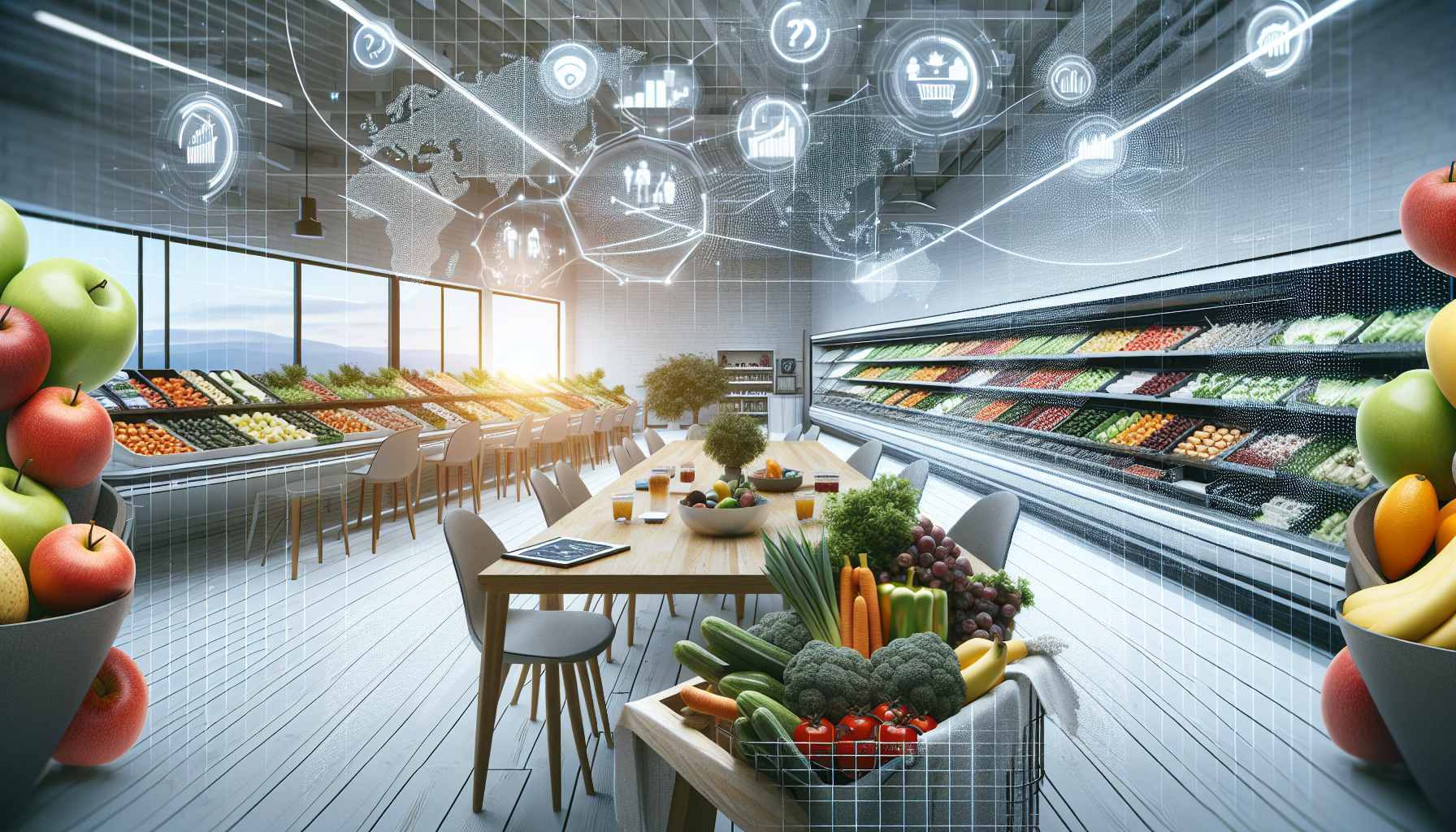
Polymarket Returns to the U.S. with a Unique Twist: A Free Grocery Store
In a surprising and innovative move, Polymarket, a decentralized prediction market platform, has made a dramatic return to the United States with an initiative that is capturing nationwide attention—a free grocery store. This novel approach is not only reviving interest in prediction markets but also challenging traditional market dynamics through an intriguing blend of cryptocurrency, community engagement, and consumer goods.
Polymarket's return signals a bold new chapter in the evolution of prediction markets. As these platforms gain traction globally, they are reshaping how individuals forecast events and make informed decisions based on collective intelligence. This article explores Polymarket's latest venture, the intricacies of prediction markets, and their potential implications for the future of financial forecasting.
Understanding Prediction Markets
Prediction markets, also known as information markets or event derivatives, are exchange-traded markets created for the purpose of trading the outcome of events. They are based on the premise that the aggregation of diverse opinions can lead to highly accurate predictions. Participants buy and sell shares in the outcome of an event, and the price of these shares reflects the collective probability of the event occurring.
Historically, prediction markets have been utilized to forecast various events, including political elections, economic indicators, and even weather patterns. The basic principle is that the crowd's collective intelligence, as represented by the market prices, is often more accurate than individual predictions or expert opinions.
The Polymarket Approach
Founded in 2020, Polymarket quickly gained popularity as a decentralized platform allowing users to trade on the outcome of real-world events using cryptocurrency. By offering a wide array of markets, from politics to pop culture, Polymarket positioned itself as a hub for information and speculation. However, legal challenges in the U.S. led to a temporary withdrawal from the American market.
With its return, Polymarket is implementing a unique strategy designed to attract and engage users. The introduction of a free grocery store is not merely a marketing gimmick; it serves as a demonstration of the practical applications of prediction markets. By leveraging the collective predictive power of its user base, Polymarket aims to optimize supply chains and reduce waste, ultimately providing free groceries to its community members.
How the Free Grocery Store Works
The concept behind Polymarket's free grocery store is both simple and revolutionary. Users participate in prediction markets related to consumer goods—such as predicting the demand for specific grocery items. The accuracy of these predictions allows for efficient inventory management and cost savings, which are then passed on to consumers in the form of free groceries.
This model not only incentivizes participation in prediction markets but also highlights the potential for decentralized platforms to disrupt traditional business models. By aligning consumer interests with market outcomes, Polymarket is demonstrating the tangible benefits of participatory forecasting. The financial implications of such models can often lead to feelings of inadequacy, a phenomenon explored in understanding money dysmorphia.
Legal and Regulatory Considerations
Polymarket's initial exit from the U.S. market was largely due to regulatory concerns. Prediction markets often tread a fine line between legal financial instruments and gambling, depending on the jurisdiction. In 2023, Polymarket reached a settlement with the Commodity Futures Trading Commission (CFTC), agreeing to pay a $1.4 million fine and comply with U.S. regulations.
The company's return to the U.S. with a revamped model that includes the free grocery store initiative suggests a strategic adaptation to these regulatory challenges. By integrating real-world applications and focusing on community benefits, Polymarket aims to navigate the complex legal landscape while promoting its platform's legitimacy and utility.
The Broader Impact of Prediction Markets
Prediction markets offer a wealth of potential applications beyond consumer goods and entertainment. In the financial sector, they are being explored as tools for risk management and investment forecasting. According to a report by the World Economic Forum, by aggregating diverse opinions and data, prediction markets can enhance decision-making processes and improve accuracy in financial predictions.
The technology underpinning prediction markets, primarily blockchain, ensures transparency and security, addressing concerns associated with traditional market manipulation and data integrity. As a result, industries ranging from finance to healthcare are increasingly investigating the use of prediction markets to optimize operations and anticipate future trends.
Statistics and Market Data
Recent studies highlight the growing interest and investment in prediction markets. According to data from Market Research Future, the global prediction market industry is projected to reach $3.2 billion by 2025, growing at a compound annual growth rate (CAGR) of 8.4% from 2020 to 2025. This growth is driven by increasing demand for data-driven decision-making tools and the expanding adoption of blockchain technology.
In the political domain, prediction markets have demonstrated remarkable accuracy in forecasting election outcomes. For instance, during the 2020 U.S. presidential election, prediction markets accurately predicted Joe Biden's victory, showcasing their potential as reliable indicators of political sentiment. The reliability of prediction markets can also be observed in other sectors, such as tax software comparisons where user preferences and trends play a crucial role.
Challenges and Criticisms
Despite their promise, prediction markets face several challenges. Critics argue that they can be susceptible to manipulation, especially in low-liquidity markets where a few large trades can significantly influence prices. Additionally, the reliance on participant engagement means that prediction markets require a critical mass of users to function effectively.
Another concern is the ethical implications of certain prediction markets, particularly those involving sensitive topics or events where speculation could have adverse social consequences. For example, markets predicting the outcome of terrorist attacks or natural disasters raise questions about the moral implications of profiting from tragedy.
The Future of Prediction Markets
Looking ahead, the future of prediction markets appears promising, with continued advancements in technology and increasing interest from both individuals and organizations. The integration of artificial intelligence and machine learning with prediction markets holds the potential to further enhance the accuracy and efficiency of these platforms.
As regulatory frameworks evolve to accommodate the unique characteristics of prediction markets, platforms like Polymarket will likely continue to innovate and expand their offerings. The successful implementation of initiatives like the free grocery store could pave the way for new models of community engagement and economic participation, ultimately reshaping how society approaches forecasting and decision-making.
Conclusion
Polymarket's return to the U.S. with a free grocery store initiative marks a significant milestone in the evolution of prediction markets. By combining cutting-edge technology with practical applications, Polymarket is setting a precedent for how decentralized platforms can drive innovation and deliver tangible benefits to communities.
As prediction markets continue to gain traction, they offer a glimpse into a future where collective intelligence and participatory forecasting play a central role in shaping economic and social landscapes. Whether it's predicting election outcomes, optimizing supply chains, or revolutionizing financial forecasting, prediction markets are poised to become an integral part of the modern decision-making toolkit. As these markets evolve, they may also influence areas like mortgage rates and financial trends.