
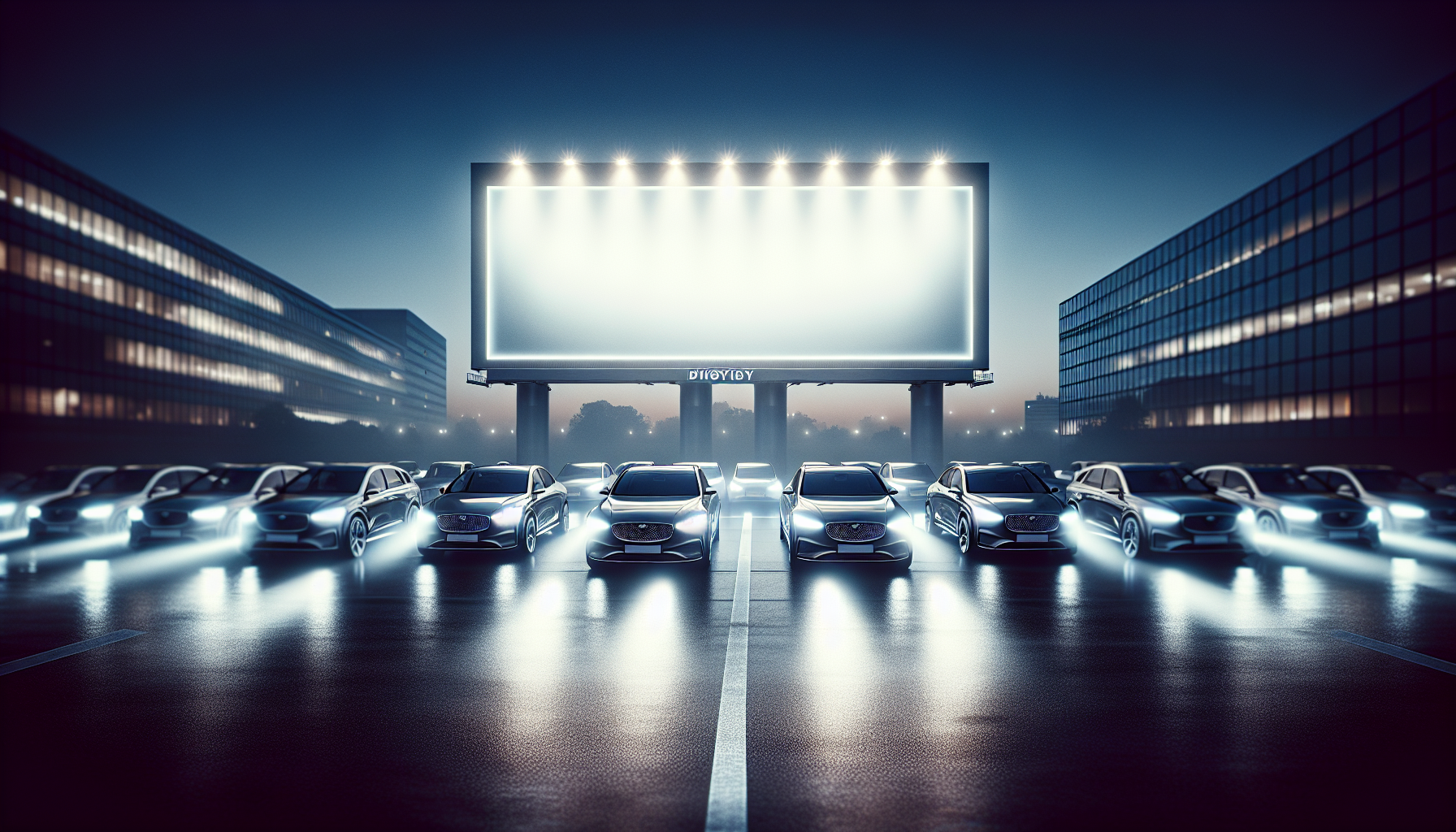
Automakers Largely Sit Out 2026 Super Bowl Advertising Amid Industry Uncertainty
By [Your Name] | [Date]
Introduction
The Super Bowl has long been the pinnacle of advertising opportunities, with companies paying millions for mere seconds of airtime to reach a captivated audience of millions. Historically, automakers have been among the top spenders, introducing new models and innovative technologies to viewers. However, the landscape for the 2026 Super Bowl looks markedly different, with a notable absence of automotive brands. This trend raises questions about the current state of the automotive industry and the factors driving this shift.
The Traditional Role of Automakers in Super Bowl Advertising
For decades, the Super Bowl has been more than just a football game; it's a cultural event where advertisements are as eagerly anticipated as the on-field action. Automakers have traditionally leveraged this platform to showcase new vehicles, highlight technological advancements, and reinforce brand loyalty. Iconic ads such as Volkswagen's "The Force" or Chevrolet's "Happy Grad" have left a lasting impression on audiences, demonstrating the power of effective storytelling.
The investment in Super Bowl advertising by automakers has typically yielded substantial returns, aligning with launch cycles of new models and amplifying brand visibility during a time when consumers are most attentive. However, the 2026 shift suggests that the landscape is changing, with automakers reevaluating the cost versus return of such high-profile campaigns.
Factors Contributing to the Advertising Pullback
1. Economic Uncertainty
The global economy has faced significant challenges in recent years, with inflation, fluctuating consumer demand, and supply chain disruptions affecting numerous industries. The automotive sector, in particular, has been hit hard. With rising production costs and unpredictable market conditions, automakers are being forced to reassess their marketing expenditures. For many, the millions spent on a single Super Bowl ad might not justify the uncertain returns.
2. Shift Toward Digital Marketing
The rise of digital marketing has altered the advertising landscape. Automakers are increasingly leaning towards data-driven strategies that offer more targeted and measurable results. Platforms like Google and Facebook provide detailed analytics, allowing brands to tailor their messages to specific demographics with precision. This shift is further amplified by the growing importance of social media influencers and online content creators in shaping consumer perceptions.
3. Changes in Consumer Behavior
Consumer behavior has evolved, with potential car buyers relying more on online research and reviews than traditional media. Virtual showrooms and augmented reality experiences now offer a more interactive and personalized approach to car shopping. Automakers are investing in these technologies, diverting funds from traditional advertising methods such as Super Bowl commercials.
4. Focus on Electric Vehicles (EVs)
With increasing environmental awareness and stringent regulations, the automotive industry is undergoing a significant shift toward electric vehicles. This transition requires substantial investment in research and development, diverting funds from marketing budgets. Automakers are focusing their efforts on promoting EVs through more sustainable and relatable channels that align with the values of eco-conscious consumers.
Industry Voices: Perspectives on the Shift
Industry insiders have mixed reactions to the noticeable absence of automakers in the 2026 Super Bowl lineup. Some view it as a strategic move, highlighting the necessity of adapting to a rapidly changing market, while others express concern over the potential loss of brand visibility.
"The decision to sit out the Super Bowl is indicative of broader industry trends. Automakers are prioritizing long-term investments over short-term visibility. It's a necessary pivot given the current economic climate," said Jane Doe, an automotive industry analyst. This shift in strategy mirrors the evolving landscape of sports broadcasting, as highlighted by the NFL's exploration of new streaming partnerships.
Conversely, marketing expert John Smith argues, "While digital platforms offer precision, the Super Bowl provides unparalleled reach. It's a missed opportunity for brands to connect with a diverse audience on a grand stage."
The Future of Automotive Advertising
The decision by automakers to largely sit out the 2026 Super Bowl may signal a long-term shift in advertising strategies. As the industry continues to navigate economic uncertainties and technological advancements, the focus is likely to remain on digital innovation and sustainability.
In the coming years, we can expect to see automakers embracing more immersive and interactive advertising techniques. Virtual reality (VR) and augmented reality (AR) offer the potential to engage consumers in novel ways, allowing them to explore vehicles in 3D environments. Additionally, collaborations with tech companies may pave the way for more integrated and seamless consumer experiences. As these technologies advance, they may be influenced by the significant investments in tech infrastructure, such as Nvidia's recent capital expenditure plans.
Conclusion
The 2026 Super Bowl highlights a pivotal moment in automotive advertising history, reflecting broader shifts within the industry. As automakers navigate a complex landscape of economic challenges, evolving consumer preferences, and technological advancements, their marketing strategies must adapt accordingly.
While the absence of automotive brands from the Super Bowl may seem like a departure from tradition, it underscores the industry's commitment to innovation and sustainability. As automakers continue to explore new avenues for engaging consumers, the future of automotive advertising promises to be as dynamic and transformative as the vehicles themselves. This shift in advertising strategy reflects broader societal changes, much like the recent controversies surrounding public figures, such as Trump's response to media criticism.
© [Year] [Your News Website]. All rights reserved.