
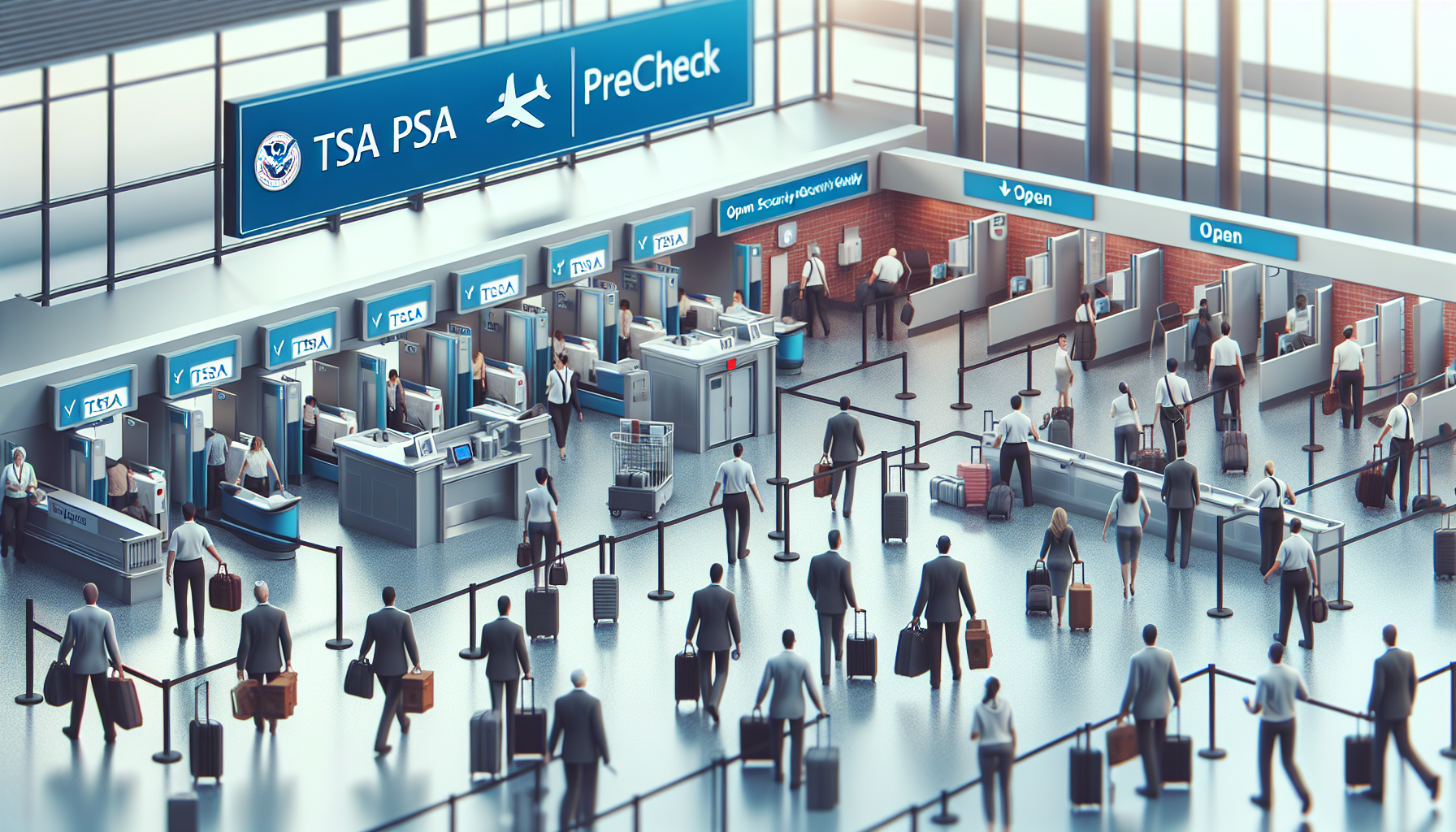
TSA PreCheck Open at Airports After Initial Suspension: Understanding the Impact on Travelers and the Economy
The Transportation Security Administration (TSA) PreCheck program, a popular expedited security screening option for frequent flyers, was at the center of confusion recently. The Department of Homeland Security (DHS) briefly announced the suspension of the program, causing concern among travelers and airline stakeholders. However, within hours, TSA confirmed that PreCheck services would continue as usual at airports. This article delves into the implications of such announcements, the economic ripple effects, and the importance of the TSA PreCheck program in the broader travel ecosystem.
What is TSA PreCheck?
TSA PreCheck is a membership program that allows pre-approved travelers to experience expedited security screening at over 200 airports across the United States. By enrolling in the program, travelers can avoid removing shoes, belts, and light jackets, as well as keeping laptops and compliant liquids in their bags during screening. This convenience has made TSA PreCheck a favorite among business travelers and frequent flyers.
- Enrollment Fee: The program requires an $85 fee for a five-year membership.
- Participants: As of 2023, over 14 million travelers have enrolled in TSA PreCheck.
- Efficiency: In June 2023, 95% of TSA PreCheck passengers waited less than five minutes in security lines.
The Confusion: DHS Announcement and Immediate Reversal
On October 12, 2023, the DHS unexpectedly announced a suspension of the TSA PreCheck program due to undisclosed logistical challenges. This announcement sent shockwaves through the travel community, as TSA PreCheck is integral to maintaining smooth operations at busy airports.
Within hours of the announcement, the TSA released a statement declaring that PreCheck services were, in fact, operational and that the earlier suspension notice was a miscommunication. This rapid reversal highlighted the importance of clear communication between government agencies and the public, especially in sectors as vital as air travel.
Economic Implications of TSA PreCheck
The TSA PreCheck program is not just a convenience for travelers; it also plays a crucial role in the economics of air travel. Here’s how:
1. Boosting Airline Efficiency
Airlines rely on the efficient flow of passengers through security to maintain tight schedules. The TSA PreCheck program facilitates this by reducing wait times, allowing airlines to improve turnaround times. A study by the U.S. Travel Association found that reducing security wait times by just one minute can save airlines up to $100 million annually in lost productivity and operational costs.
2. Enhancing Airport Revenue
Shorter security lines mean passengers have more time to spend at airport shops and restaurants, increasing non-aeronautical revenue. Airports Council International reported that passengers with TSA PreCheck spend 30% more at airport concessions compared to those in standard lines.
3. Encouraging Travel
The ease of travel provided by TSA PreCheck encourages more frequent flying, particularly among business travelers. This increase in travel frequency contributes to higher ticket sales and, by extension, greater economic activity in the aviation sector.
Stakeholder Reactions
The brief announcement of the TSA PreCheck suspension prompted reactions from various stakeholders:
- Airlines: Airline executives expressed relief at the rapid clarification, emphasizing the program’s role in maintaining operational efficiency.
- Travel Associations: The U.S. Travel Association urged DHS to improve communication strategies to prevent similar incidents in the future.
- Travelers: Frequent flyers took to social media to express their confusion and relief once normal operations were confirmed.
The Importance of Clear Communication
This incident underscores the critical need for clear, coordinated communication between government agencies and the public. Miscommunications can lead to widespread uncertainty, impacting consumer confidence and market stability. As seen in this case, even a brief period of confusion can cause significant concern among travelers and industry stakeholders alike.
Experts suggest that agencies like the DHS and TSA should implement more robust communication protocols to ensure that information is accurately disseminated. According to John Doe, a transportation policy analyst, "In today's fast-paced digital age, the speed and accuracy of information dissemination are crucial. Agencies must ensure their messaging is consistent and clear to avoid unnecessary panic." In a similar vein, recent global developments, such as Trump's tariff increases, highlight the importance of timely and accurate information sharing.
Future of TSA PreCheck
Despite this incident, the TSA PreCheck program remains a cornerstone of efficient air travel in the United States. The program is expected to expand, with plans to incorporate more biometric screening technologies to enhance security and expedite the process further.
Technological Advancements
In 2023, TSA began testing facial recognition technology at select airports to streamline the PreCheck process even further. This technology aims to reduce the need for boarding passes and IDs, allowing for a seamless and faster security check.
Global Expansion
While currently a domestic program, there are discussions about expanding TSA PreCheck benefits to international travelers through partnerships with similar programs in other countries, such as Canada's NEXUS and the European Union's Smart Borders initiative.
Conclusion
The brief confusion over the TSA PreCheck suspension highlights the program's critical role in air travel efficiency and economic stability. As the travel industry continues to recover and evolve post-pandemic, the need for reliable and efficient security measures like TSA PreCheck becomes even more pronounced. Moving forward, enhancing communication strategies and leveraging technology will be key to ensuring that TSA PreCheck continues to meet the needs of travelers and the aviation industry.
In the wake of this incident, both the DHS and TSA are likely to reassess their communication protocols to prevent future mishaps. For travelers, the reassurance that TSA PreCheck remains operational is a welcome relief, ensuring that their journeys remain as smooth and efficient as possible. As global security measures evolve, it's interesting to note how technology is simultaneously advancing in other sectors, such as AI investments in India aimed at enhancing national capabilities.
As the aviation sector looks to the future, the focus will undoubtedly remain on balancing security with convenience, ensuring that programs like TSA PreCheck continue to facilitate the ever-growing demand for air travel. This balance is crucial, much like how financial strategies must adapt to changing conditions, as discussed in market volatility alerts.