
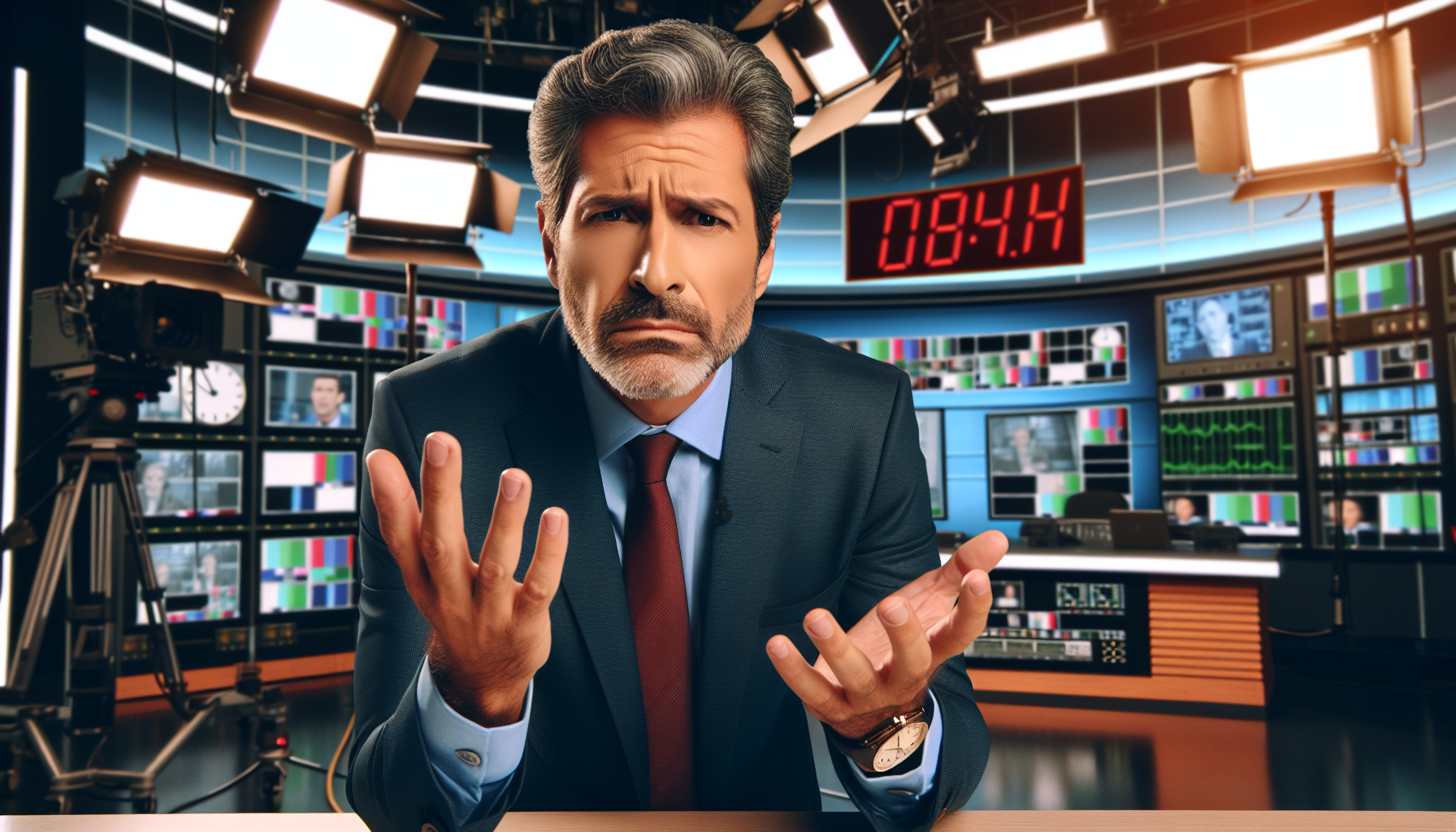
Stephen Colbert Criticizes CBS Over Alleged Blocking of James Talarico Interview: A Deep Dive into Media and Financial Implications
In a surprising twist, Stephen Colbert, the renowned host of "The Late Show with Stephen Colbert," has publicly criticized his own network, CBS, over allegations that it blocked an interview with Texas State Representative James Talarico from airing. The incident has sparked a conversation about media censorship, corporate influence in journalism, and the financial ramifications for networks embroiled in controversy.
The Incident: What Happened?
The controversy began when Stephen Colbert, during an episode of his show, expressed his frustration with CBS. According to Colbert, the network allegedly prevented an interview with James Talarico, a rising political figure known for his progressive stance and articulate discourse on various issues, from being broadcasted. In his characteristic satirical style, Colbert did not mince words, referring to the network's actions as "crap" and suggesting a disconnect between journalistic integrity and corporate interests.
Who is James Talarico?
James Talarico is a Democratic member of the Texas House of Representatives, representing the 50th District since 2019. Known for his progressive views on education, healthcare, and social justice, Talarico has carved a niche for himself as a vocal advocate for reform and equity. His potential interview with Colbert was anticipated to cover crucial topics, including Texas politics, voting rights, and the impact of recent legislative changes.
The Response from CBS
In response to Colbert's accusations, CBS released a statement denying any intentional blocking of the interview. The network cited "scheduling conflicts" and "editorial decisions" as the reasons behind the interview not making it to air. However, this explanation did little to assuage concerns about potential corporate interference in journalistic content.
Media Censorship: A Broader Look
The situation has reignited the debate over media censorship and the influence of corporate interests on journalistic freedom. According to a report by the Pew Research Center, 73% of Americans believe that the news media should serve as a watchdog over powerful institutions. However, only 28% have a great deal of confidence in the media's ability to fulfill this role without bias or external influence.
This incident with Colbert and CBS underscores the tension between media outlets and their corporate owners. Critics argue that networks are increasingly prioritizing financial interests over journalistic integrity, often leading to self-censorship or biased reporting. This trend is particularly concerning in an era where misinformation is rampant, and public trust in media is waning.
Financial Implications for CBS
For CBS, the fallout from this incident could have significant financial repercussions. The network, part of Paramount Global, is one of the leading broadcasting companies in the United States, with a diverse portfolio of content spanning news, entertainment, and sports. However, controversies like this can impact both brand reputation and financial performance.
Brand Reputation: In the media industry, reputation is paramount. A perceived lack of integrity or bias can lead to a decline in viewership and advertising revenue. According to a survey by Edelman, 81% of consumers need to trust a brand to do what is right before making a purchase. For CBS, maintaining trust among viewers is crucial to sustaining its audience base.
Advertising Revenue: Television networks rely heavily on advertising revenue, which is directly linked to viewership figures. A study by Magna Global indicates that TV advertising revenue in the U.S. was estimated at $61 billion in 2022. Any significant drop in viewership due to reputational damage could result in a substantial financial hit for CBS. The impact of viewership on revenue can be seen in various industries, such as retail, where new leadership changes are shaping strategies, as explored in Walmart vs. Target.
The Role of Corporate Influence in Media
Corporate influence in media is not a new phenomenon. Large conglomerates often own multiple media outlets, creating potential conflicts of interest. CBS, for example, is part of Paramount Global, which owns various entertainment and media subsidiaries. This consolidation can lead to a homogenization of content and a narrowing of diverse viewpoints.
Media watchdogs have long voiced concerns over this trend. According to the American Economic Association, media consolidation can lead to less competition and diversity in news coverage, potentially stifling critical voices and limiting the public's access to a broad range of information.
Public Reaction and Social Media Outcry
The public's reaction to the Colbert-CBS controversy has been swift and vocal, particularly on social media platforms. Hashtags such as #FreeTheInterview and #StandWithColbert trended on Twitter, with users expressing solidarity with Colbert and demanding transparency from CBS.
This digital activism highlights the growing power of social media in shaping public discourse. According to a study by the University of Southern California, 62% of Americans get their news from social media platforms, which can amplify voices that might otherwise be marginalized in traditional media.
The Importance of Transparency in Journalism
The Colbert-CBS incident serves as a reminder of the critical need for transparency in journalism. In an environment where public trust is fragile, media organizations must prioritize openness and accountability. This includes being transparent about editorial decisions and addressing potential conflicts of interest.
Journalistic codes of ethics, such as those outlined by the Society of Professional Journalists, emphasize the importance of transparency in maintaining credibility. For CBS, addressing this controversy openly and honestly could help rebuild trust with its audience. In a similar vein, corporate transparency is crucial for companies like Amazon, which recently experienced significant fluctuations in its market value as detailed in Amazon's market rebound.
Conclusion: A Call for Accountability
The Stephen Colbert and CBS controversy is more than just a spat between a host and his network; it is a microcosm of broader challenges facing the media industry. As corporate influence continues to grow, the need for media outlets to prioritize journalistic integrity over financial interests becomes increasingly urgent.
For CBS, the path forward will require a commitment to transparency and accountability, both to its viewers and to the broader public. As the media landscape continues to evolve, striking a balance between corporate interests and journalistic freedom will be critical to preserving the integrity of the fourth estate.
Ultimately, the incident has sparked an important conversation about the role of media in society and the responsibility of networks to uphold the principles of free and unbiased journalism. As the story unfolds, it will be crucial for all stakeholders to engage in thoughtful dialogue and take actionable steps to ensure that media remains a trusted source of information in a rapidly changing world. As discussions about media responsibility continue, it's also important to consider how these dynamics impact various sectors, including finance, as highlighted in NASDAQ market analysis.