
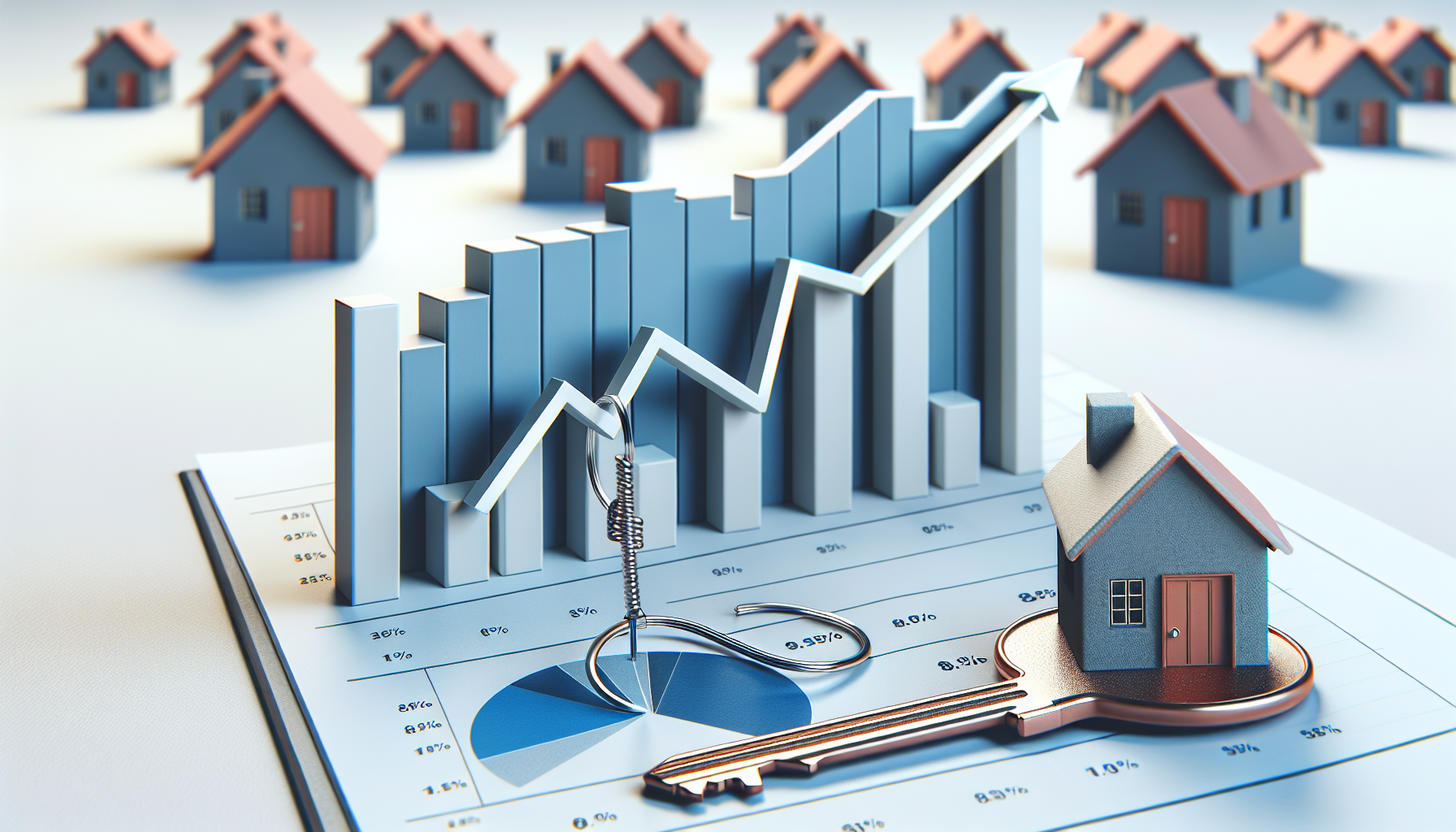
Realtors Report a 'New Housing Crisis' as January Home Sales Tank More Than 8%
The U.S. housing market, a cornerstone of the nation’s economy, is showing signs of distress as realtors report a significant decline in home sales. Recent data reveals an alarming drop of over 8% in January home sales, sparking concerns of a 'new housing crisis' reminiscent of the 2008 financial downturn. This article delves into the factors contributing to this decline, the potential implications for the broader economy, and what industry experts are forecasting for the future.
The Current State of the Housing Market
According to the National Association of Realtors (NAR), existing home sales fell by 8.2% in January 2023 compared to December 2022. This marks the largest month-over-month decline since the early days of the COVID-19 pandemic. Year-over-year, home sales have decreased by a staggering 23%, highlighting the severity of the downturn.
Lawrence Yun, NAR's Chief Economist, stated, "The housing market is suffering from a significant imbalance between supply and demand. While demand remains robust, especially among first-time homebuyers, the limited inventory and rising interest rates are creating a formidable barrier to entry."
Factors Contributing to the Decline
Several key factors are contributing to the current downturn in home sales:
- Rising Mortgage Rates: Mortgage rates have seen a sharp increase over the past year. The average 30-year fixed mortgage rate has climbed to 6.5% in January 2023, up from just 3.5% a year earlier. This rise in rates has substantially increased the cost of borrowing, deterring potential buyers.
- Inventory Shortages: The housing market is experiencing a severe shortage of available homes for sale. As of January 2023, the inventory of unsold homes was at a record low, with only 1.5 months of supply at the current sales pace. A balanced market typically has around six months of supply.
- Economic Uncertainty: With inflation rates remaining persistently high and fears of an impending recession, consumer confidence has taken a hit. Many potential buyers are adopting a wait-and-see approach, further dampening demand.
- Affordability Issues: Home prices, although stabilizing, remain elevated compared to pre-pandemic levels. The combination of high prices and rising mortgage rates has significantly impacted affordability, particularly for first-time buyers.
Regional Disparities in Home Sales
The decline in home sales is not uniform across the country. Certain regions have been hit harder than others:
- The West: The Western U.S. has experienced the most pronounced decline, with sales dropping by 12% in January. High home prices and escalating mortgage rates have heavily impacted this region, which already had some of the most expensive real estate markets in the country.
- The Northeast: Sales in the Northeast fell by 9%, driven by a combination of high property taxes and a sluggish economic recovery in some areas.
- The Midwest: The Midwest saw a more modest decline of 6%, as relatively affordable home prices compared to other regions provided some buffer against the downturn.
- The South: The Southern U.S. experienced an 8% decline, attributed to rapid price increases in recent years and the impact of hurricanes and other natural disasters affecting buyer confidence.
Industry Reactions and Predictions
The real estate industry is reacting with a mix of concern and cautious optimism. Some industry leaders are drawing parallels to previous housing crises, while others believe this could be a temporary correction.
Robert Dietz, Chief Economist for the National Association of Home Builders, emphasized the importance of addressing supply-side issues, stating, "We need to increase housing supply to meet demand and stabilize the market. Without significant policy interventions, we risk long-term economic consequences." As the housing market navigates these challenges, investors are also looking for opportunities in other sectors, such as crypto ETFs for potential gains.
Conversely, Selma Hepp, Deputy Chief Economist at CoreLogic, remains optimistic, suggesting that the market could stabilize by mid-2023 if mortgage rates begin to decline and supply chain issues are resolved. "The fundamentals of the housing market remain strong, with solid demographic demand and a resilient labor market," she noted.
Government and Policy Responses
In response to the declining housing market, policymakers are considering several measures to alleviate the crisis:
- Interest Rate Adjustments: The Federal Reserve has indicated it may pause rate hikes if inflation shows signs of cooling. Lower interest rates could help ease borrowing costs for prospective homebuyers.
- Incentives for Builders: To address the supply shortage, some lawmakers are proposing tax incentives and subsidies for home builders to encourage the construction of affordable housing.
- Down Payment Assistance Programs: Expanding programs that assist first-time homebuyers with down payments could help more people enter the housing market despite rising costs.
The Broader Economic Implications
The housing market is a critical component of the U.S. economy, and its health has far-reaching implications. A prolonged downturn could impact various sectors:
- Construction Industry: A decline in home sales typically leads to reduced demand for new construction, affecting jobs and economic activity in the construction sector.
- Consumer Spending: Housing wealth is a significant driver of consumer spending. As home values stabilize or decline, homeowners may feel less wealthy, leading to reduced spending on goods and services.
- Financial Markets: Mortgage-backed securities are a crucial component of financial markets. A downturn in the housing market can lead to volatility and increased risk aversion among investors.
Looking Ahead: What Homebuyers and Investors Should Expect
For potential homebuyers, the current market presents both challenges and opportunities. With mortgage rates remaining high, affordability will continue to be a major concern. However, those who can navigate these challenges may find opportunities as home prices stabilize.
For investors, the housing market downturn may present opportunities for those willing to take a long-term perspective. As the market stabilizes, there may be potential for growth, particularly in regions with strong economic fundamentals. As markets evolve, it's crucial to stay informed about various sectors, including recent developments such as the case of Israeli duo charged for exploiting classified intel.
Overall, the housing market faces a critical juncture. While the current downturn is concerning, the underlying demand for housing remains strong. With strategic interventions and a focus on increasing supply, there is potential for recovery and growth in the coming years. As policymakers consider solutions to stimulate the housing market, recent legislative efforts like house moves to override tariffs highlight the importance of addressing trade impacts on housing supply.
Conclusion
The reported 8% decline in January home sales is a wake-up call for the real estate industry and policymakers alike. While the challenges are significant, addressing supply-side constraints and improving affordability will be key to stabilizing the market. As the year progresses, all eyes will be on economic indicators and policy responses to determine the future trajectory of the U.S. housing market.
Stay tuned to our finance news website for ongoing coverage and analysis of this evolving situation.