
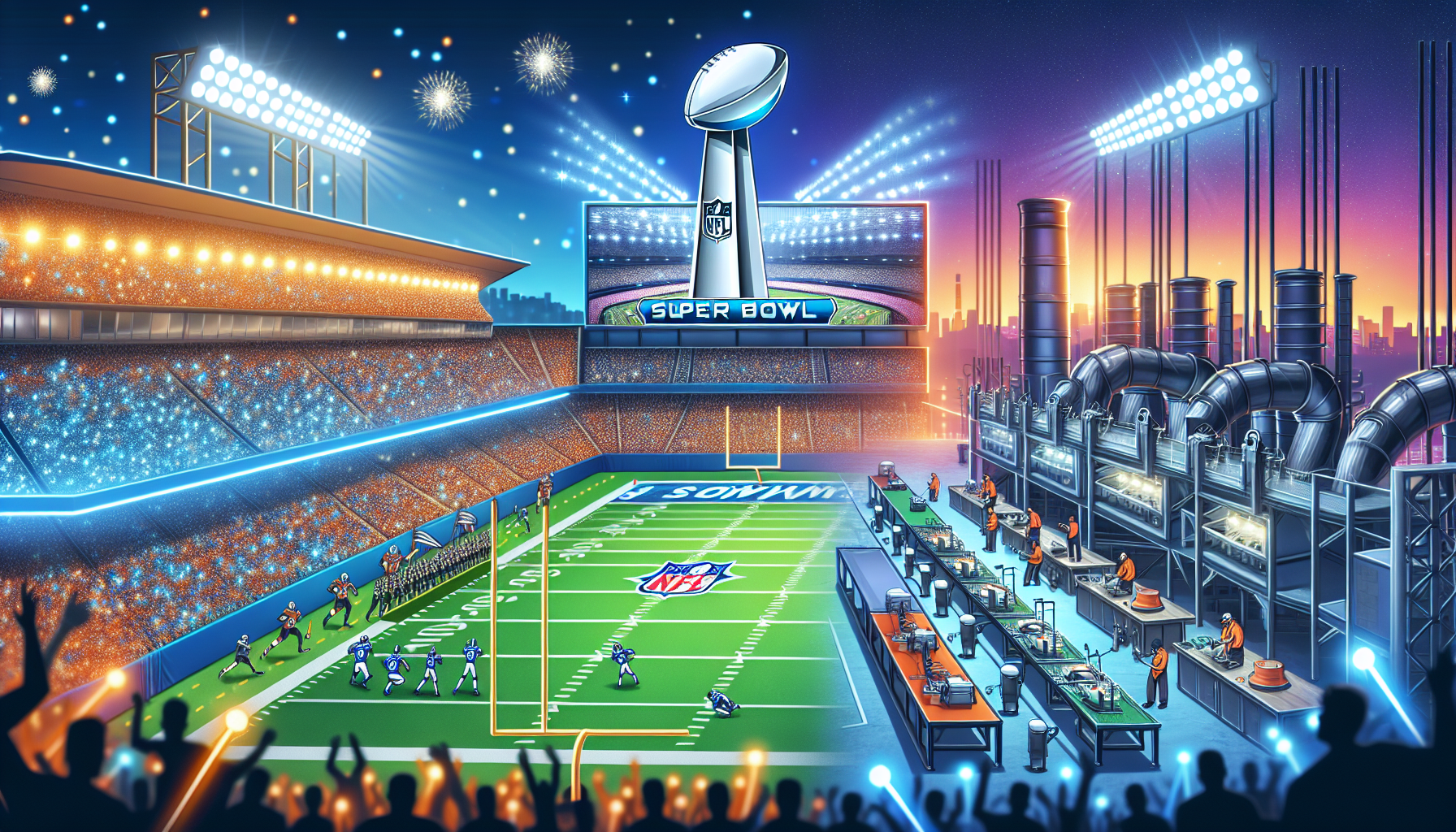
Automakers Largely Sit Out 2026 Super Bowl Advertising Amid Industry Uncertainty
The Super Bowl has long been a battleground for advertisers seeking the attention of over 100 million viewers in the United States alone. However, the 2026 Super Bowl is set to see a marked absence from one of its traditional mainstays: automakers. This development comes as the automotive industry grapples with unprecedented challenges and uncertainties.
The Super Bowl and Automotive Advertising: A Historical Perspective
For decades, automakers have been among the biggest spenders on Super Bowl advertising. These high-profile spots have been used to launch new models, showcase cutting-edge technology, and reinforce brand identity. In 2020, for example, automotive brands spent an estimated $77 million on Super Bowl ads, representing about 25% of the total ad spend during the event. However, this year, the landscape appears drastically different.
Challenges Facing the Auto Industry
The decision by many automakers to scale back their Super Bowl presence in 2026 reflects broader challenges within the industry. Key factors contributing to this shift include:
- Supply Chain Disruptions: The global semiconductor shortage, which began in 2020, continues to impact vehicle production. This has led to reduced inventories and delayed launches of new models.
- Economic Uncertainty: With inflation rates fluctuating and consumer spending patterns shifting, automakers are reevaluating their marketing strategies to ensure financial prudence.
- Transition to Electric Vehicles (EVs): As governments worldwide push for greener solutions, automakers are heavily investing in electric vehicle technology. This requires reallocating resources from traditional marketing efforts to research and development.
- Shift in Consumer Preferences: There is a growing consumer preference for online car purchasing experiences and digital advertising, prompting a reevaluation of where advertising dollars are most effectively spent.
Advertising Strategies: A Shift in Focus
As automakers navigate these challenges, many are opting for alternative advertising strategies. Instead of spending millions on a single Super Bowl ad spot, companies are diversifying their marketing efforts. This includes increasing investments in digital advertising, content marketing, and direct consumer engagement initiatives.
For instance, Ford, which historically has been a significant Super Bowl advertiser, announced a strategic shift toward digital platforms. "Our focus is on creating meaningful connections with our customers through digital channels that allow for personalized interaction," said Jim Farley, CEO of Ford. This decision reflects a broader industry trend towards leveraging digital platforms to reach target audiences more effectively.
Economic Implications
The absence of automakers from the Super Bowl advertising lineup could have significant economic implications for both the advertising industry and the Super Bowl itself. Traditionally, automotive companies have been among the top spenders, contributing significantly to the overall ad revenue generated by the event. In 2025, Super Bowl ad revenues reached approximately $485 million, with a notable portion coming from the automotive sector.
The reduction in automaker participation may lead to a shift in the types of brands and industries that dominate the Super Bowl ad space. As traditional automotive giants step back, technology companies, streaming services, and new entrants in the electric vehicle market may fill the void, potentially altering the advertising landscape of the event. This shift in advertising dynamics could also reflect broader trends seen in other industries, such as the recent challenges faced by companies like Hims & Hers.
Looking Ahead: The Future of Automotive Advertising
As the automotive industry continues to evolve, so too will its advertising strategies. The current landscape presents both challenges and opportunities for automakers. While the decision to scale back on Super Bowl advertising may seem counterintuitive, it aligns with broader industry trends toward more targeted, data-driven marketing approaches.
Automakers are increasingly focusing on building long-term brand loyalty through direct consumer engagement, personalized marketing campaigns, and an emphasis on sustainability. This shift is not only a response to current economic pressures but also a strategic move to align with evolving consumer expectations and technological advancements.
Conclusion
The 2026 Super Bowl will mark a significant departure from previous years, with the notable absence of many major automakers from the advertising lineup. This decision reflects the broader challenges facing the automotive industry, including supply chain disruptions, economic uncertainty, and the ongoing transition to electric vehicles.
As automakers continue to navigate these challenges, their advertising strategies are evolving to prioritize digital engagement, personalized marketing, and sustainability. While the absence of automakers from the Super Bowl may alter the advertising landscape of the event, it also presents an opportunity for new players and industries to take center stage. This shift in advertising priorities parallels the recent moves by companies like Block Inc., which have also made significant changes to enhance efficiency, as seen in their workforce reduction strategy.
Ultimately, the shift in advertising strategies reflects a broader industry transformation, as automakers adapt to a rapidly changing market and consumer landscape. As they forge new paths in advertising, their success will depend on their ability to connect with consumers in meaningful ways and drive long-term brand loyalty. As companies navigate these changes, they must also be aware of the potential challenges highlighted in Trump-era equity stakes that could impact their market strategies.